




Acelerador de Entrepreneurs Roundtable – respaldado por Nayya, tiene la misión de simplificar la elección y la gestión de los beneficios de los empleados a través del aprendizaje automático y la transparencia de los datos.
La empresa ha recaudado 2,7 millones de dólares en fondos iniciales dirigidos por Social Leverage con la participación de Guardian Strategic Ventures, Cameron Ventures, Soma Capital, así como otros ángeles estratégicos.
El proceso de elegir un plan de salud proporcionado por el empleador y entender ese plan puede ser tedioso en el mejor de los casos e increíblemente confuso en el peor. Y eso ni siquiera incluye todos los planes suplementarios y beneficios asociados con estos programas.
Ahí es donde entra Nayya. Cuando la inscripción comienza, los empleadores envían un correo electrónico que incluye un enlace a Nayya’s Companion, el producto estrella de la compañía.
El acompañante ayuda a los empleados a encontrar el plan adecuado para ellos. El software primero hace una serie de preguntas sobre el estilo de vida, la ubicación, etc. Por ejemplo, la fundadora y directora general de Nayya, Sina Chehrazi, explicó que las personas que van en bicicleta al trabajo, en lugar de ir en coche, andar o coger el transporte público, tienen 20 veces más probabilidades de sufrir un accidente y necesitan servicios de emergencia.
Companion hace preguntas en este sentido, así como preguntas sobre si toma medicamentos regularmente o si espera que sus costos de salud suban o bajen durante el próximo año, sin entrar en los detalles de las enfermedades o dolencias crónicas o asuntos particulares.
Teniendo en cuenta estos datos, Nayya examina los distintos planes que ofrece el empleador para mostrarle cuál de ellos se ajusta mejor al estilo de vida y al presupuesto del usuario.
Nayya no sólo saca información directamente de los listados del directorio de la compañía de seguros, ya que casi el 40 por ciento de esos listados tienen al menos un error o están desactualizados. Saca de una amplia variedad de fuentes de datos, incluyendo los Centros de Servicios de Medicare y Medicaid (CMS) para obtener los datos más limpios y precisos sobre los médicos de la red y los costes habituales asociados a la visita de esos médicos.
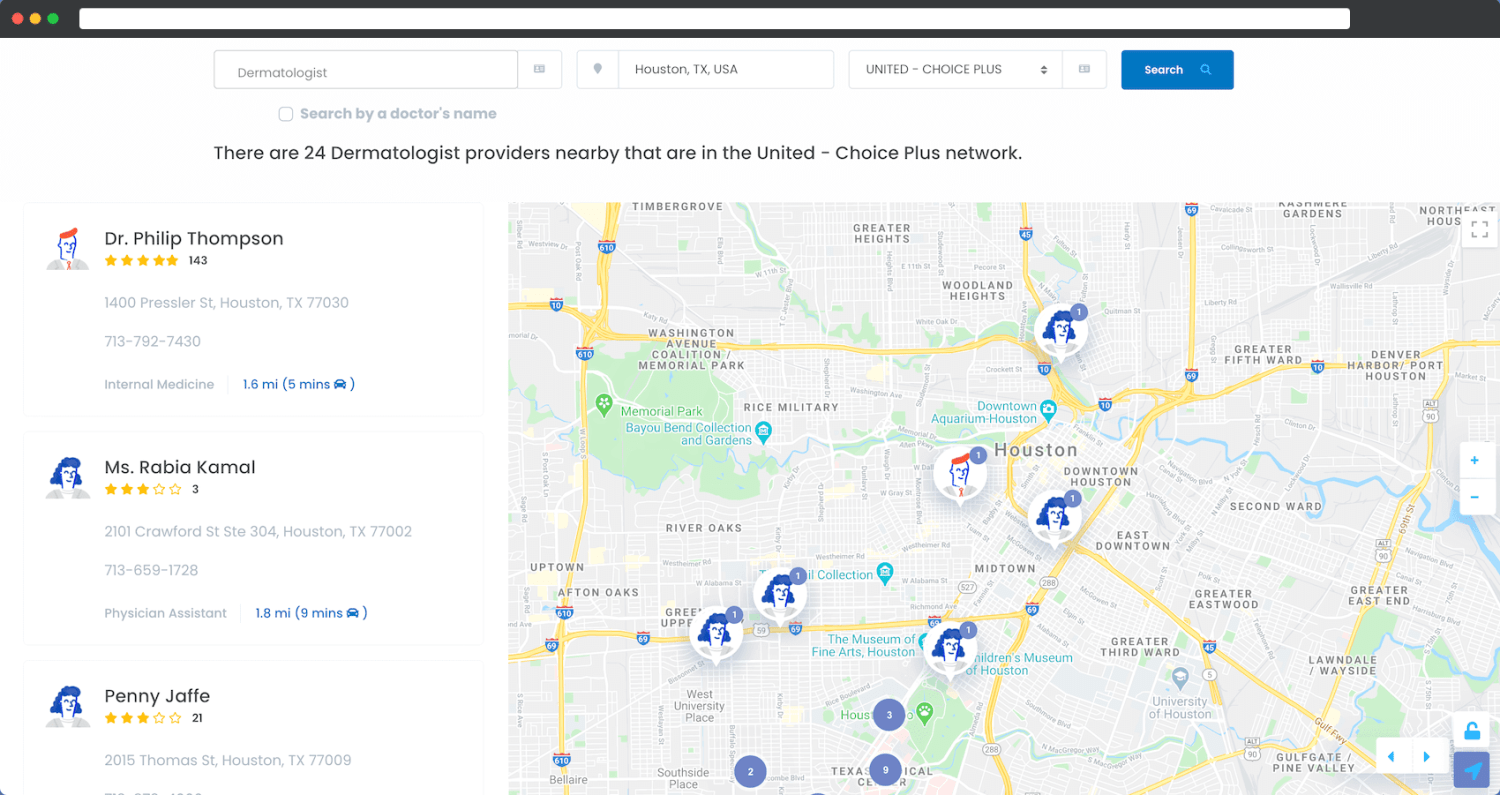
Junto con Companion, Nayya también proporciona un producto llamado ‘Edison’, que ha apodado el Alexa de Helathcare. Los usuarios pueden hacer preguntas a Edison como “¿Cuál es mi deducible?” o “¿Está la Dra. fulano de tal en mi red y cuánto costaría ir a verla?”
La compañía ayuda a los usuarios individuales a encontrar el proveedor adecuado para ellos con la capacidad de comparar los costos, la ubicación y otros factores involucrados. Nayya incluso pone una insignia en los listados de proveedores donde otro empleado de la compañía ha ido y ha tenido una gran experiencia, dando otra capa de validación a esa elección.
Como la industria de la tecnología de la salud busca proporcionar una atención sanitaria y un seguro más fáciles de usar, la idea de la “personalización” se ha dejado atrás en muchos aspectos. Nayya se centra ante todo en el usuario final y pretende asegurar que su viaje personal a la salud sea lo más simple y directo posible, creyendo que las otras piezas del puzle caerán en su lugar cuando se atienda al cliente.
Nayya planea utilizar los fondos para ampliar el equipo en ingeniería, ciencia de los datos, gestión de productos y marketing, así como duplicar la cantidad de datos que la empresa está comprando, ingiriendo y limpiando.
Además de cobrar a los empleadores por asiento, por mes, Nayya también quiere empezar a ir directamente a las compañías de seguros con su producto.
“El mayor desafío es educar a todo un ecosistema y convencer a ese ecosistema de que donde gana el consumidor, gana todo el mundo”, dijo Chehrazi. “Cómo financiar y entender su atención médica nunca ha sido más importante que ahora, y hay una gran necesidad de proporcionar esa educación de una manera impulsada por los datos a las personas. Ahí es donde quiero pasar los próximos no sé cuántos años de mi vida para impulsar ese cambio”.
Nayya tiene actualmente cinco empleados a tiempo completo y el 80 por ciento del equipo proviene de orígenes raciales diversos.
—
Jordan Crook
Via TC

