




Los dos fundadores de Parrot Software, Roberto Cebrián y David Villarreal, se conocieron en la preparatoria en Monterrey, México. En los once años desde entonces, ambos han seguido carreras exitosas en la industria de la tecnología y se han convertido en familia (son cuñados).
Ahora, están empezando un nuevo negocio juntos aprovechando la experiencia de Cebrián dirigiendo una empresa de puntos de venta y el tiempo de Villarreal trabajando primero en Uber y luego en la empresa de alto crecimiento de alquiler de scooters y bicicletas, Grin.
La experiencia de Cebrían al fundar la compañía de puntos de venta S3 Software sentó las bases de Parrot Software, y su servicio de puntos de venta para gestionar las operaciones de los restaurantes.
“Roberto ha estado en la industria durante los últimos seis o siete años”, dijo Villarreal. “Y me decía que nadie ha estado sirviendo [los restaurantes] correctamente… Roberto me lanzó la idea y yo me involucré mucho y decidí iniciar la compañía”.
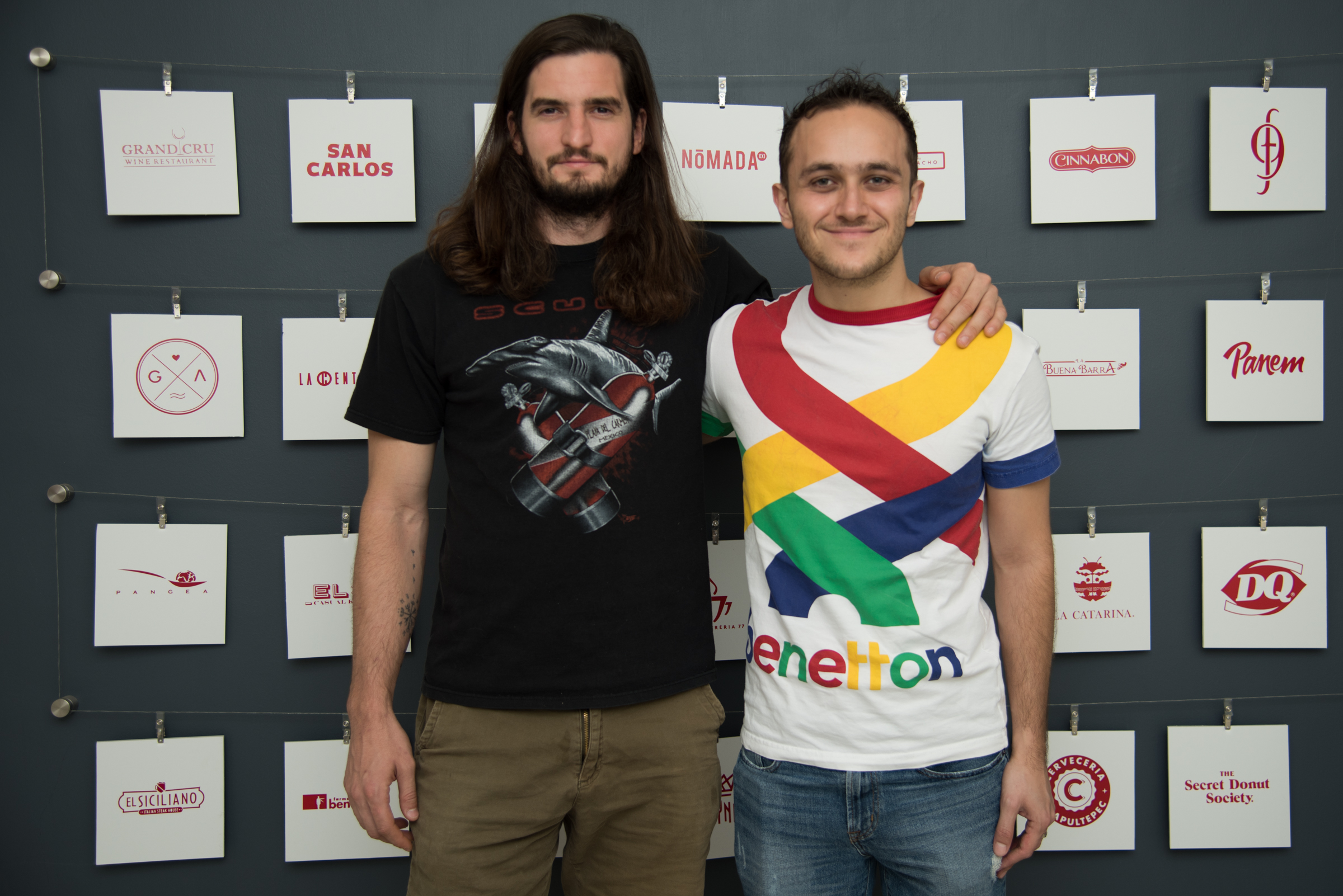
Los cofundadores de Parrot Software, Roberto Cebrían y David Villarreal. Crédito de la imagen: Parrot Software
Al igual que Toast en EE.UU., Parrot gestiona los pagos, incluidos los pagos en línea y los pedidos en tiempo real, junto con integraciones en servicios que pueden gestionar también las operaciones de fondo de un restaurante, según Villarreal. Esos servicios incluyen cosas como software de entrega, contabilidad y sistemas de lealtad.
La empresa ya está presente en más de 500 restaurantes en México y es utilizada por cadenas como Cinnabon, Dairy Queen, Grupo Costeño y Grupo Pangea.
Con sede en Monterrey, México, la compañía ha logrado atraer a un montón de inversionistas norteamericanos de alto perfil, incluyendo a Joe Montana’s Liquid2 Ventures, Foundation Capital, Superhuman angel fund, Toby Spinoza, el vicepresidente de DoorDash, y Ed Baker, un líder de producto en Uber. Juntos han invertido 2,1 millones de dólares en la joven empresa.
Desde su lanzamiento, Parrot ha logrado obtener contratos en 10 ciudades, con la mayor presencia en el noreste de México, alrededor de Monterrey, dijo Villarreal.
El mercado de software de gestión de restaurantes es grande y está creciendo. Es una categoría grande que se espera que alcance los 6.940 millones de dólares en ventas en todo el mundo para el 2025, según un reportero de Grand View Research.
Los inversores en el mercado de los EE.UU. ciertamente creen en la potencial oportunidad de un negocio como Toast. Esa compañía ha recaudado casi mil millones de dólares en fondos de firmas como Bessemer Venture Partners, la firma de capital privado TPG, y Tiger Global Management.
Jonathan Shieber