


Target Global está respaldando un fondo de apoyo de € 1 millón para talento tecnológico en España despedido o suspendido como resultado de la crisis del coronavirus. El objetivo es proporcionar financiamiento previo a la semilla para ayudar a los trabajadores tecnológicos afectados por la crisis a cambiar de marcha y desarrollar un concepto de inicio durante los próximos cuatro a seis meses, cubriendo los gastos de subsistencia más fondos suficientes para poner en marcha una idea de negocio.
La firma de capital de riesgo dice que recortarán cheques de al menos € 25k / € 35k hasta € 50k para “solicitantes calificados”, lo que significa que la iniciativa podría apoyar entre 20 y 30 trabajadores tecnológicos locales que se han quedado sentados en casa sin trabajo como resultado de la pandemia de COVID-19.
Target Global, que tiene unos 700 millones de euros bajo gestión, contribuirá con 500.000 euros a la iniciativa de apoyo de la etapa inicial, con otros 500.000 euros aportados por los fundadores locales, incluidos los empresarios detrás de AlienVault , TravelPerk , Trabajo y talento , Badi y Adyen .
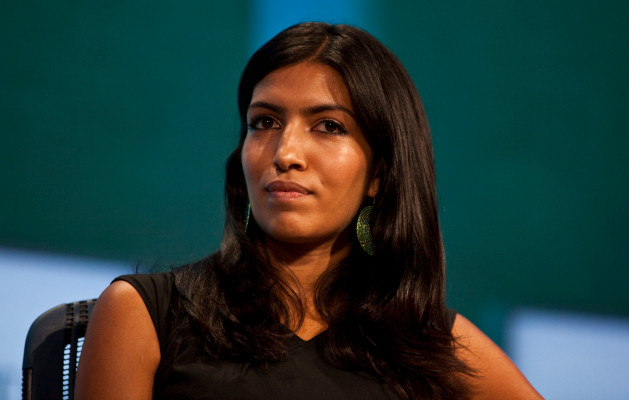
“La idea es limitarlo a € 1M por ahora”, dice la directora de inversiones de Target Global, Lina Chong . “No sabemos dónde está el final del túnel, pero por ahora digamos que lo limitamos a eso”.
“Queremos dar entre 20 y 30 notas seguras que son realmente fáciles de implementar … lo que debería ser suficiente para que una o dos personas cubran sus costos de vida durante cuatro a seis meses … También cubrirá los costos iniciales de inicio . Entonces encontré una entidad, trabajé con un diseñador e ingeniero. Desarrolle su idea o concepto en una versión beta real o algún tipo de prototipo y pruebe algunos de sus supuestos iniciales, y prepárelo para, esencialmente, una ronda previa a la semilla ”.
“Lo llamamos súper semilla”, agrega. “Es como un primer chequeo real solo para comenzar”.
Ella dice que la firma de capital riesgo publicará una página de inicio para la iniciativa en breve, esta semana o la próxima, según Chong, para comenzar a tomar solicitudes para las “notas seguras”.
En términos de requisitos, los solicitantes deben estar ubicados en España, y se les pedirá que especifiquen algunas categorías en las que cae su concepto; más si ya han construido algo; si tienen usuarios; si ya se han incorporado, y así sucesivamente.
“Todas esas cosas pueden ser” no “, eso está muy bien”, le dice Chong a TechCrunch. “Le pediremos su LinkedIn porque queremos que esto se dirija a las personas en tecnología. Queremos ver una mínima experiencia en startups o en tecnología, pero usted no tiene que ser ingeniero.
“Y, por supuesto, la idea tiene que ser bastante audaz y ambiciosa … Esa será la mayor parte de nuestro trabajo: filtrar a través de los candidatos en los que creemos que tienen los antecedentes relevantes, además de lo que están pensando al respecto, algo realmente relevante y grande.”
“No estamos buscando financiar la próxima tienda de gafas de sol”, agrega. “Pero si tienes una forma diferente de interactuar con el gobierno … piensa incluso en los medios. Hay tantas cosas en juego ahora mismo. Habrá una gran cantidad de seguridad, identidad, muchos problemas. Y eso es lo que estamos buscando: problemas reales, grandes y globales “.
Chong confirma que algunas de las nuevas empresas de cartera de TargetGlobal han tenido que despedir o suspender al personal durante la crisis, incluidos el buscador de pisos compartidos Badi y la plataforma de reservas de viajes de negocios TravelPerk. Ambos son tipos de empresas que están muy expuestas a los bloqueos de la población nacional que se han impuesto en la mayor parte de Europa. (El sector de viajes , por supuesto, ha sido especialmente afectado .)
Todas las empresas que se han visto afectadas por refugios en el lugar han tenido que dejar ir al personal”, agrega Chong, sugiriendo que los despidos de cartera han sido de alrededor de un tercio para las startups más afectadas.
Por lo tanto, los fundadores locales han estado dispuestos a apoyar la iniciativa, no solo para ayudar al ecosistema tecnológico más amplio en España, sino como algo que pueden señalar como una oportunidad para el personal despedido o despedido.
“Todos los días estamos recibiendo más inscripciones”, agrega, y señala que los fundadores también pueden elegir ofrecer tutoría / asesoramiento, así como contribuir al fondo.
Target Global aumentó su enfoque en España el año pasado, cuando abrió una oficina en el país en Barcelona . Aunque Chong, que normalmente reside en Barcelona, ha estado pasando el período de encierro en Berlín, después de regresar a Alemania de un viaje a los Estados Unidos en marzo.
“Para mí esta es muy desafortunada porque una de las razones por las que hicimos una apuesta tan temprana en España es precisamente por este talento: Typeform y todos los estudios de juegos, y Facebook y Amazon en Madrid . Digamos preparando a la fuerza laboral de la primera generación. Y dándoles las ideas de cómo estar en una empresa de tecnología, cómo funciona una organización, cómo crear un producto, cómo pensar en marketing, todo esto. Así que creo que es una gran pena “, dice ella.
“Claramente, España tiene un espíritu altamente emprendedor. Han salido de la última crisis … con una visión muy “del mundo de nuestra propia realidad”. Y creo que sucederá lo mismo en esta crisis, así que pensamos por qué no solo asignamos una pequeña cantidad de dinero, para nuestro fondo de etapa inicial es un cheque relativamente pequeño, es muy exploratorio “.
En términos de las oportunidades comerciales que pueden abrirse como resultado de la interrupción social y económica causada por la pandemia de COVID-19, Chong sugiere que “una nueva forma de pensar acerca de los productos y servicios para el consumidor” ciertamente se viene abajo. .
“Me sorprendería si no hay una gran cantidad de ideas sobre cómo repensar el ladrillo y el mortero y repensar los bienes minoristas o de consumo”, dice ella.
“Esta es una tendencia clara de que ladrillo y mortero, como modelo, no funciona. En los EE. UU., En todo el mundo, se ve todo, desde centros comerciales masivos hasta pequeñas tiendas de la calle principal, tiendas operadas por sus propietarios, todas las puertas con persianas. Y creo que es una gran oportunidad: ¿si el emprendedor decide aprovechar esta oportunidad desde una obra de teatro puramente digital hasta tal vez un giro en el sector inmobiliario? ¿Tal vez hay un nuevo modelo de pensamiento sobre la propiedad de una tienda o qué hacer con ese espacio? Porque los consumidores son bastante volubles. Están acostumbrados a una experiencia completamente nueva con Amazon. Creo que hay muchas oportunidades allí con seguridad. La forma o forma específica de esa oportunidad: lo dejo a la imaginación salvaje de los empresarios “.
Ella también señala a toda la cadena de valor en torno al comercio minorista, desde las cadenas de suministro hasta el marketing, pasando por la fabricación y la obtención de los bienes y servicios en manos de los consumidores, como maduras para repensar en este momento, y agrega: “Espero que haya mucha innovación incluso en los aspectos de la cadena de suministro “.
Los emprendedores en el país también pueden hacer bien en enfocar su energía en las ideas en torno a la recapacitación / mejora de las capacidades de un gran número de personas que repentinamente se encuentran incapaces de hacer su trabajo habitual debido al impacto del distanciamiento social en las empresas tradicionales y las formas de trabajar. . La cultura del bar en España, por ejemplo, parece estar muy afectada por el coronavirus.
“¿Cómo nos manejamos? ¿Cómo gestionamos a otros en un entorno de trabajo remoto? plantea Chong. “Hay una población tan enorme de personas donde, cada vez está más claro, que si no puedes trabajar de forma remota, si no eres un trabajador del conocimiento, hay un gran interrogante sobre tu capacidad para tal vez participar más en ese trabajador / escritorio del conocimiento tipos de papeles Y eso es un gran valor que queda sobre la mesa. Esos son los cerebros y los músculos humanos, tanta energía y potencial que simplemente queda por ahí.
“Yo diría que un emprendedor con visión de futuro puede pensar en formas de ayudar a utilizar y dar sentido a las habilidades de estas personas”.
Los términos de las notas de seguridad serán “flexibles”, según Chong, aunque habrá una disposición para que los inversores obtengan un descuento en la próxima ronda, es decir, si hay uno.
“No tiene que pagarlo si no hay financiación después”, dice ella. “Hasta ahora realmente queremos mantenerlo caso por caso, por lo que es súper flexible. Es esencialmente como “oye, queremos la opción, no la obligación de seguir en la próxima ronda”.
“Claramente, decidiremos ese caso por caso. Cualquier cosa más allá de eso queremos asegurarnos de que los términos del próximo fondo (probablemente serán fondos iniciales que entrarán en la próxima etapa de la vida de la compañía) queremos poder mantener la pizarra relativamente limpia para esos fondos. sentirse cómodo al subir a bordo. Por lo tanto, no hay demasiado estipulado en este momento en la nota de seguridad “.
“Es una cantidad. Podemos ayudarlo a incorporar. Es una opción para la próxima ronda. Habrá un descuento mínimo, probablemente bastante estándar, como 20%. Y eso es todo “, agrega.
—
Natasha Lomas
TC