



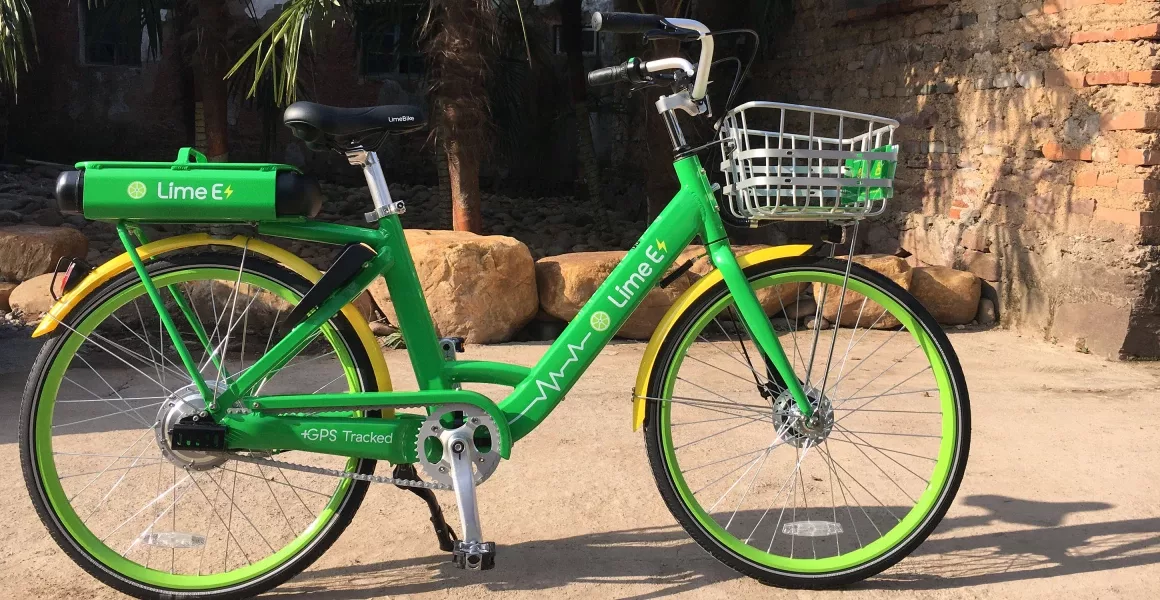
El nuevo abono Lime Prime pretende salvar la distancia entre quienes utilizan las bicicletas, patinetes o ciclomotores eléctricos de Lime con la suficiente frecuencia como para justificar un Lime Pass, y quienes optan por un uso ocasional de pago por uso…
Lime ofrece acceso mediante una aplicación a una gama de vehículos eléctricos personales. Para el alquiler ocasional, se paga 1 dólar para desbloquear el vehículo, y luego 15 céntimos por minuto. Si eres un usuario habitual, puedes optar por un Lime Pass. Estos cuestan 16,99 dólares al mes para un máximo de cinco viajes de 30 minutos al día, o 29,99 dólares al mes para duplicar el número de viajes diarios hasta 10.
Lime Prime añade una opción intermedia. El pago de 5,99 dólares al mes elimina la cuota de desbloqueo, lo que hace más asequible el uso del servicio para aquellos que suelen hacer varios viajes cortos a lo largo del mes.
Y lo que es mejor, puedes utilizar Lime Prime para reservar un vehículo con hasta media hora de antelación. Una de las mayores frustraciones de la aplicación Lime es que te muestra la ubicación de tu vehículo Lime más cercano, pero si tardas más de 10 minutos en llegar a él, puede que ya esté ocupado cuando llegues. Lime Prime te permite reservar un vehículo durante 30 minutos.
Si nunca has tenido un Lime Pass, puedes obtener tu primer mes de Lime Prime de forma gratuita. Toca el icono de la cabeza en la aplicación para ver si está disponible en tu país.
La empresa dice que lanza el plan para fomentar el uso de un transporte respetuoso con el medio ambiente, ya que la gente empieza a volver a desplazarse a medida que la pandemia disminuye.
“En Lime, nuestra misión es ofrecer una red de transporte fiable, asequible y sin emisiones de carbono que permita a los usuarios sustituir los desplazamientos en coche para los viajes cortos, y Lime Prime es un paso clave hacia ese objetivo”, dijo el presidente de Lime, Joe Kraus. “Queremos recompensar a los usuarios que han hecho el cambio a Lime con una mayor comodidad y un menor coste. Todo ello forma parte de nuestro esfuerzo por ayudar a las ciudades y a sus residentes a volver a la primavera con Lime y a moverse de nuevo de forma segura y sostenible, a medida que las restricciones de la COVID-19 continúan levantándose y la gente empieza a redescubrir todo lo que hace grandes a las ciudades.”
Lime Prime permite además a los ciclistas hacer que los desplazamientos sin emisiones formen parte de su vida diaria, contribuyendo a la actual lucha contra el cambio climático. Impulsados por los ciclistas más activos, los clientes de Lime han evitado más de 50 millones de viajes en coche, evitando el equivalente a un atasco que diera más de 7 veces la vuelta a la Tierra.
Lamentablemente, el coste de Lime Prime es significativamente mayor en algunos mercados: En el Reino Unido, por ejemplo, cuesta 8,99 libras (12,76 dólares) al mes, más del doble que en Estados Unidos.
A principios de año, Lime comenzó a utilizar App Clips para una experiencia más rápida para los primeros usuarios.